Learning Intermediate Needle Lace
A Designer’s Take on Practical Use
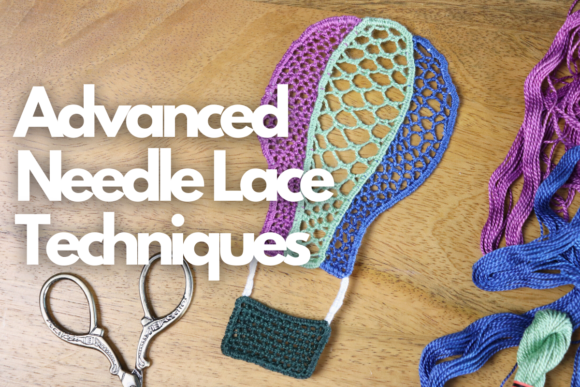
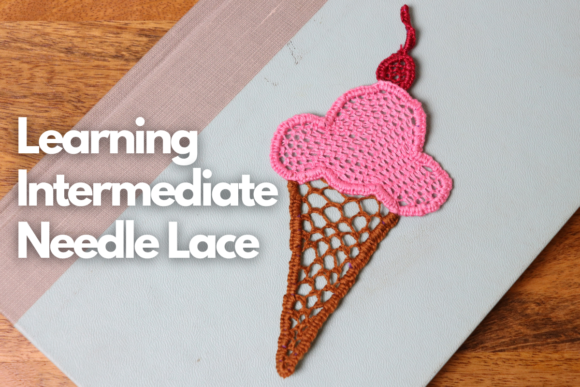
As a designer who has worked with countless embroidery files, I approach each new design with a critical eye. Learning Intermediate Needle Lace is no exception. It promises to build on the foundation of basic needle lace techniques taught in an earlier class, but this time with a focus on detachment—transforming attached lace into standalone embroidery that can be used in a variety of projects.
First Impressions: Mood and Layout
The first thing that strikes me about Learning Intermediate Needle Lace is its elegant simplicity. The design features delicate floral motifs with intricate detailing that suggests a refined aesthetic. The layout is balanced and clean, making it visually appealing without overwhelming the eye. This makes it a great fit for projects where subtlety and sophistication are desired.
The theme leans toward classic elegance, which means it would work well in settings like wedding gifts, baby items, or boutique branding. The motif is not overly busy, so it doesn’t compete with the fabric itself. However, the detail level is enough to make it feel intentional and purposeful. This balance is key for designers looking to create something that feels both handmade and professional.
Real-World Applications: Where to Use It
When considering real-world applications, Learning Intermediate Needle Lace stands out as a versatile design. It’s ideal for custom apparel such as sweatshirts, t-shirts, and tote bags. Its subtle nature means it won’t overpower the garment, making it perfect for personalized gifts or small business merchandise.
I also see potential in using this design for baby clothes, caps, and even holiday items. The delicate floral patterns would look especially beautiful on soft fabrics like cotton or linen. For crafters and Etsy sellers, this design could serve as a staple for creating handmade products that appeal to a wide range of customers.
One area where this design shines is in embroidered patches and applique designs. Its ability to stand on its own makes it suitable for use as a decorative accent rather than a primary feature. This opens up possibilities for incorporating it into larger projects, such as aprons, pillow covers, or kitchen towels.
Considerations for Real Projects
However, there are some important considerations when using Learning Intermediate Needle Lace in real projects. First, the design may not perform well on very small hoop sizes. The intricate details require a certain amount of space to stitch properly, so it’s essential to check the recommended hoop size before starting.
Additionally, the design might struggle on textured or stretchy fabrics. The delicate nature of the lace means it could distort or lose definition if not supported properly. Using a stabilizer is highly recommended, especially for projects involving dark or thin fabrics. Testing the design on scrap fabric first is a must to ensure it behaves as expected in the final product.
For those planning to use this design in commercial embroidery, it’s important to verify licensing terms. While the design appears to be suitable for personal use, selling finished products or digital files requires proper permissions. Always double-check the terms of use before proceeding with any commercial application.
Design Quality and Visual Appeal
From a design standpoint, Learning Intermediate Needle Lace offers a good mix of detail and clarity. The stitch density is appropriate for most embroidery machines, and the thread colors provide enough contrast to maintain visibility. However, it’s worth noting that the design may not be as bold as some other options, so it’s best suited for projects where subtlety is preferred.
The visual appeal of the design is strong, particularly when used on light-colored fabrics. On darker backgrounds, the contrast may be less pronounced, which could affect the overall impact. Testing the design in black and white mockups can help identify any potential issues with stitch clarity or detail retention.
Practical Design Notes for Embroidery Artists
As a designer, I always recommend testing new designs on scrap fabric before committing to a full project. This helps catch any issues with stitch density, thread color, or overall appearance. For Learning Intermediate Needle Lace, checking the stitch density is especially important, as it can affect how the design looks on different types of fabric.
Another key consideration is fabric texture. While the design works well on smooth surfaces, it may not hold up as well on heavily textured materials. For projects involving frequent washing, such as baby clothes or kitchen towels, it’s wise to use a high-quality stabilizer to ensure durability.
Finally, always consider the end use of your design. Whether you’re creating a personalized gift, a boutique product, or a commercial item, the right design can make all the difference. Learning Intermediate Needle Lace is a solid choice for those looking to add a touch of elegance to their embroidery projects.